
End of Lease Cleaning Melbourne from High Power Cleaning Services: a top-to-bottom clean of the property so it is ready for the agent’s final inspection. We work Melbourne-wide, including Footscray, Williamstown, Brunswick, St Kilda, Essendon, Collingwood and Richmond and Docklands and South Melbourne. If we missed an area we cleaned, tell us within 72 hours and we will return to re-clean it at no extra cost.
Vacate cleaning Melbourne and end of tenancy cleaning in Melbourne are the same service, so you can book any of them here.
End of Lease Cleaning in Melbourne: Prices
Prices are “from” prices for an empty property. The final price depends on property condition and is confirmed after a free quote.
| Property size | From | What is included |
|---|---|---|
| Studio / 1 bedroom | from $290 | Oven, stove, rangehood, kitchen cupboards and bathroom fixtures, cleaned for the final inspection |
| 2 bedroom | from $380 | Oven, stove, rangehood, kitchen cupboards and bathroom fixtures, cleaned for the final inspection |
| 3 bedroom | from $470 | Oven, stove, rangehood, kitchen cupboards and bathroom fixtures, cleaned for the final inspection |
| 4 bedroom | from $590 | Oven, stove, rangehood, kitchen cupboards and bathroom fixtures, cleaned for the final inspection |
Call 1300 997 289 or use the free quote form for your final price.
Vacate Cleaning Melbourne: What You Get and What It Costs
Vacate cleaning in Melbourne is a full clean of a rental property at the end of your tenancy, done to the standard your agent or landlord will inspect against. It is the same job as end of lease cleaning and end of tenancy cleaning, and High Power Cleaning covers all three.
Vacate cleaning checklist
- Kitchen: oven, stovetop, rangehood, inside cupboards and drawers, sink and splashbacks
- Bathrooms and toilets: tiles, grout, shower screens, vanity, mirrors, fixtures
- Bedrooms and living areas: skirting boards, doors, light switches, wardrobes, window tracks and sills
- Floors: vacuumed and mopped throughout
- Windows and blinds: cleaned inside, blinds wiped
- Carpet steam cleaning: available as an add-on, and often required by your lease
Vacate cleaning prices in Melbourne
Current vacate cleaning prices by property size are listed in the prices section above.
Vacate cleaning FAQs
How much does vacate cleaning cost in Melbourne?
It depends on the size of the property and any add-ons such as carpet steaming. See the prices section above for current rates.
Is vacate cleaning the same as end of lease cleaning?
Yes. Vacate cleaning, end of lease cleaning and end of tenancy cleaning describe the same clean at the end of a rental.
When should I book vacate cleaning?
Book a few days before your final inspection, once the property is empty.
What is included in vacate cleaning Melbourne and end of tenancy cleaning in Melbourne
Every tier is a top-to-bottom clean of the internal areas, including the oven, stove, rangehood, kitchen cupboards and bathroom fixtures. We work room by room against the same areas agents inspect: rangehood filters, oven rails, shower glass, window tracks and skirting boards.
- Oven cleaning: oven and stove are part of the clean.
- Carpet steam cleaning: can be added to the same booking when your lease or entry condition report calls for it. We confirm it in your quote.
- Window cleaning: can be handled in the same booking. We confirm it in your quote.
Our Bond Back Guarantee for End of Lease Cleaning
Every end of lease and end of tenancy clean is backed by our bond-back guarantee. If your agent is not satisfied, we will come back and re-clean the flagged areas free of charge. If we missed an area we cleaned, tell us within 72 hours and we will return to re-clean it at no extra cost.
What our clients say
I would like to compliment the two young men who cleaned our place. They were friendly, polite, helpful & punctual.
— Tim G
Augus and his team are absolutely the best! We were in really pressed on time and had to do the moving out clean within days.
— Andy W
We raised three children in that house, and you could tell by looking at the walls and the carpets. Never thought we’d get the deposit back when we left. Couldn’t believe how much the place looked like new again after you guys had been through it, either.
— Dave J
very professional and efficient… good value for money. I Would love to deal with them again. They are both the cheapest and best among many I have dealt with to date. Highly recommended.
— Kara O
More reviews are on our testimonials page.
End of Lease Cleaning Melbourne FAQs
What is included in an end of lease clean in Melbourne?
An end of lease clean is a top-to-bottom clean of the internal areas of the property, including the oven, stove, rangehood, kitchen cupboards and bathroom fixtures, so the place is ready for the final inspection.
Is vacate cleaning Melbourne the same as end of lease cleaning in Melbourne?
Yes. Vacate cleaning Melbourne renters book, end of lease cleaning in Melbourne and end of tenancy cleaning in Melbourne are the same job: a full clean of the property when you move out.
Can you work around my inspection date?
Yes. Tell us the inspection date when you book and we will plan the clean around it.
Do you clean carpets as part of the job?
Carpet condition is one of the first things a property manager checks. Tell us what the entry condition report says about the carpets when you enquire and we will confirm how to handle them.
What if pets lived in the property?
Let us know when you enquire. We build the clean around the facts of the property, including pets.
Do you guarantee the bond back?
Yes. Every clean is backed by our bond-back guarantee. If your agent is not satisfied, we will come back and re-clean the flagged areas free of charge, and if we missed an area we cleaned, tell us within 72 hours and we will return to re-clean it at no extra cost.
How much does end of tenancy cleaning cost in Melbourne?
Bond back and end of tenancy cleans start from $290 for a studio or 1 bedroom, $380 for 2 bedrooms, $470 for 3 bedrooms and $590 for 4 bedrooms. The final price depends on property condition and is confirmed after a free quote.
How do I get a quote?
Call 1300 997 289 or use the free quote form on this page.
What is the difference between an ingoing report and an exit report?
The ingoing (entry) report records the property when you move in. The exit report records it when you leave. Tribunals compare them side by side. Anything already written at entry is not a new defect at handover, provided you have not made it worse.
Does a signed Victorian condition report really settle the starting condition?
Yes, with a narrow exception. A statement in a report signed by both parties is conclusive evidence of condition on that day, unless the problem could not reasonably have been found during a reasonable inspection. That is why you should add missing chips, stains, and worn patches before you sign.
Can my landlord insist on professional End of Lease Cleaning?
For agreements starting on or after 29 March 2021 in Victoria, not automatically. They can require it if professional cleaning was done immediately before you moved in and you were told, or if the property genuinely needs professional work to match the documented entry condition after allowing for wear and tear. Many tenants still book it because the invoice and the standard of clean reduce the chance of a claim.
Are carpets always my cost at the end of a lease?
No. Flattening and fading in traffic areas is usually wear and tear. Steam cleaning can be required where the lease and the entry report support it, where pets were kept inside, or where staining goes beyond ordinary use. Read the report first, then book carpet cleaning if the facts call for it.
What if I cleaned the property myself and the agent still claims?
DIY can meet a reasonably clean standard, but it often misses technical areas and it rarely produces the ABN invoice agents want. If a claim is already in play, gather your photos, the signed report, and any receipts you do have. For the next tenancy, a documented professional clean is simpler to defend.
How does High Power Cleaning Services help with the handover file?
We clean to inspection checklists used in Victorian rentals, issue a tax invoice you can submit with an RTBA response, and can include carpets and windows in one booking. Our teams also work in healthcare, education, and industrial sites, so the same quality controls sit behind a domestic vacate clean. If you want to see how we position bond work, read why our bond back cleaning stands out in Melbourne.
Should I attend the final inspection?
Yes, if you can. Bring the report, your photos, and the invoice. Walk the same rooms in the same order. If the agent points to wear that was already noted, say so calmly and show the page. If they point to a missed track or filter, it is often faster to arrange a reclean of that item than to let the whole bond sit in dispute.
Using Your Ongoing Condition Report to Defend Wear and Tear at Handover

Moving out of a rental is a pile of small jobs that all fall due in the same week: packing, redirecting mail, closing utility accounts, returning keys and facing the final inspection. Of all of them, the one that most often decides whether your bond comes back in full is not the last vacuum. It is the paper trail you started on the first day of the tenancy, the ingoing condition report.
The pattern is familiar to anyone who has handled a few handovers. A tenant leaves a home they honestly believe is clean. The agent walks through with a checklist and finds baked-on oven grease, dusty window tracks or a mark on the carpet, and lodges a claim against the bond. The dispute then turns on one question: is this dirt, damage, or ordinary wear and tear? The ingoing report is the baseline that lets you answer it with evidence instead of memory.
At High Power Cleaning Services we work with tenants, property managers and business owners who need a property handed back in a properly clean state, backed by documents that hold up if the bond is questioned. This guide explains how to use your report, what Victorian rules say about cleaning and condition, how exit inspections actually run, and where a professional end of lease cleaning booking fits into a sensible plan.
What an ingoing condition report actually records
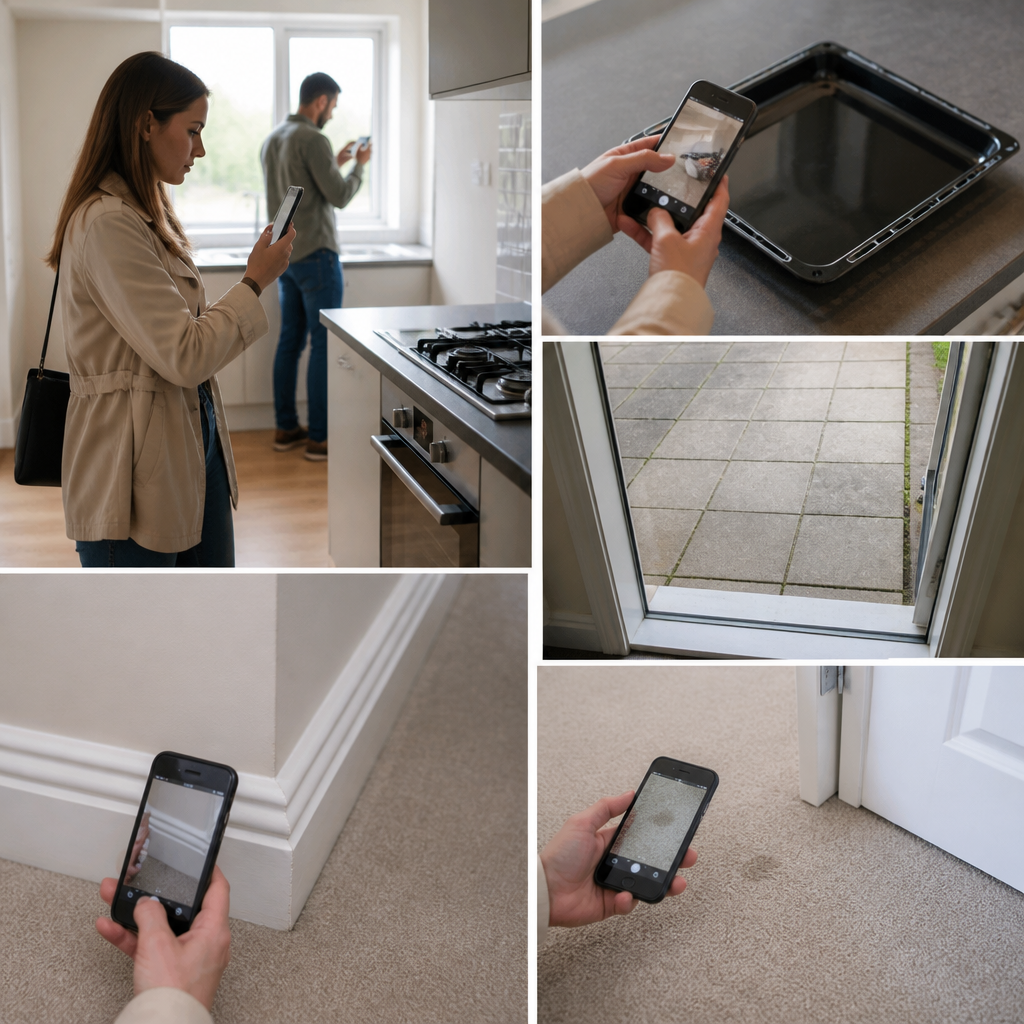
An entry condition report, also called an ingoing report or property condition report, is a written and photographic record of the rental at the start of the tenancy. It walks through each room, the fixtures and fittings, and usually the outdoor areas, noting the state of walls, floors, appliances, windows and bathrooms. When the tenancy ends, the exit condition is compared against it. That comparison is the backbone of almost every bond discussion.
In Victoria, the rental provider or agent completes the prescribed Form 4 under the Residential Tenancies Regulations 2021, which sits under section 35 of the Residential Tenancies Act 1997. Other states use their own forms, but the purpose is identical: a room-by-room baseline that both sides can rely on later.
Specific beats vague every time. “Carpet slightly worn in the hallway, small stain near the bedroom door” is a line you can defend. “Carpet fair” is not. Dated photographs of each room and fitting make the before-and-after comparison very hard to argue with. The tenant should sign the report, and any disagreement with it should be written down and returned within the allowed period.
If you are still in the property, find your copy today. If you are about to move in, treat the form as a working document rather than a formality signed on the doorstep with the removalists waiting.
Why a signed report carries real legal weight
Under section 36(1) of the Residential Tenancies Act, a statement in a condition report signed by both the rental provider and the renter is conclusive evidence of the property’s condition on the day stated in the report. Once both parties sign, neither can later tell VCAT the report was wrong, except where a defect could not reasonably have been found during a reasonable inspection.
That is why thin or incomplete reports hurt tenants. If a scuffed skirting board, a chipped benchtop or a stained oven tray is not recorded at entry, it can look as though it happened on your watch. The sensible approach, wherever you rent in Australia, is to check the report carefully before signing, add anything missing, keep a dated copy and never sign a blank or half-finished version.
At exit the same logic runs in reverse. If damage is not in the exit report it is hard to claim it happened. If a stain appears in the exit report but was already noted at entry, that is your answer. The two documents, not anyone’s recollection, settle the matter.
Vacate cleaning, end of tenancy cleaning and end of lease cleaning: what is the difference?
Renters search for this service under several names, and it is worth knowing they describe the same job. Vacate cleaning Melbourne, end of tenancy cleaning Melbourne and end of lease cleaning Melbourne all mean a full clean of the property when you move out, done to the standard the agent will inspect. Bond cleaning and bond back cleaning are further names for it.
What matters is not the label but the scope. Whichever name your agent or lease uses, ask for a clean that covers the oven, rangehood, bathrooms, kitchen cupboards, windows and tracks, skirting boards and floors, and ask whether carpet steam cleaning is needed. If the lease mentions vacate cleaning, treat it as the same checklist you would follow for an end of tenancy clean, and book against that list.
The booking steps are also the same. Give the cleaner your inspection date, the property size, and any notes from the entry report, and request a tax invoice afterwards. That one document answers most questions an agent can raise about cleaning, whichever of the three names appears on the paperwork.
Wear and tear is not a cleaning failure
Many bond disputes begin as arguments about cleanliness. Victorian tenancy law separates ordinary deterioration from a property left dirty or damaged. Tenants are not responsible for decline caused by everyday use and the passage of time.
Fair wear and tear typically includes:
- Carpet flattening along busy hallways
- Paint fading from sunlight
- Loose screws in frequently used doors and cupboards
- Minor scuffs consistent with furniture being lived with
- Slight grout discolouration from age rather than neglected mould
Cleaning failures and tenant-caused issues look different:
- Baked-on grease in the oven, door glass and rangehood filters
- Soap scum, limescale and mould on bathroom tiles and shower screens
- Dust, cobwebs and insect debris in light fittings and window tracks
- Pet stains or odours that need steam extraction
- Food residue in dishwashers and greasy splashbacks
The standard is “reasonably clean”, not hotel-spotless. Consumer Affairs Victoria guidance sets out what most people would accept as clean once fair wear and tear is allowed for. You can believe you cleaned thoroughly and still miss oven rails, skirting boards or window channels, and those missed spots are exactly where recleaning claims come from.
It also helps to know the rules introduced in 2021. For rental agreements signed on or after 29 March 2021, a lease cannot require professional cleaning unless one of two conditions applies. Either professional cleaning was carried out immediately before the tenancy began and you were told so at the time, or professional cleaning is genuinely needed to bring the property back to the documented entry condition, allowing for wear and tear. Your condition report is the evidence for both. That protection is useful, but it is not a licence to leave grease in the oven: if the entry report says the kitchen was clean and the exit photos show a coated grill tray, the report will not rescue you.
How the exit inspection actually works
When a Victorian lease ends, the property manager inspects against the original condition report. You are expected to return the property reasonably clean, allowing for fair wear and tear. Agents work from detailed checklists, and skipping small areas is what triggers claims, even when the living room looks fine. The table below shows where inspections tend to focus.
| Inspection area | Common issues found | How the ingoing report helps |
|---|---|---|
| Kitchen appliances | Baked-on grease, greasy filters, food in the dishwasher | If they were noted clean at entry, they need a proper degrease, not a wipe |
| Bathrooms and laundry | Hard water stains, soap scum, mould on grout | Pre-existing stains and tired grout should already be on the form |
| Windows and joinery | Dust in tracks, marks on glass, dirty sills | Tracks missed at entry are your note to add, not a later surprise claim |
| Flooring and carpets | Dust under skirtings, pet hair, localised spots | Worn traffic paths belong in the report as wear, not as new damage |
| Walls and light fittings | Cobwebs, insects in covers, marked switches | High corners and fittings are easy to miss in a DIY clean |
If the agent claims on the bond through the RTBA and you dispute it, the matter can go to VCAT. Members look at the entry and exit reports, photographs, messages and cleaning receipts. A tax invoice from an established provider of end of lease cleaning in Melbourne shows you took the obligation seriously.
Carpets deserve a separate mention. Where pets lived inside, or where the carpets were professionally cleaned just before you moved in and the entry report says so, matching that standard on the way out is part of meeting the lease. In those cases, pair the general vacate clean with professional carpet cleaning so a single invoice covers both.
Use the report as a cleaning brief, not a souvenir
The most organised tenants treat the ingoing report as a room-by-room brief for their end of tenancy cleaning Melbourne booking, not a PDF buried in an old email folder. A simple process works well:
- Read every line against the current state of the property.
- List items marked clean or undamaged at entry that are now dirty. Those are your cleaning jobs.
- List items already marked worn, marked or unclean. You are not required to restore those to new, and they are your protection if the agent tries to charge for pre-existing issues.
- Photograph the same angles as the entry photos, with dates visible on the device or in the file name.
- Keep emails and texts with the agent in one folder. Short, factual messages help more than long arguments.
A vague report (“good”, “fair”, “clean”) is weaker evidence, which makes your own dated move-in photos more valuable. If you never took any, do not reconstruct a story from memory. Build what you can from the signed form, any emails from the start of the tenancy, and a professional clean with a proper invoice. The reverse holds too: if your entry photos already show a mark, a later claim for that mark should fail.
Avoid arguing wear and tear in the abstract. Point to the line in the report. “Hallway carpet noted as worn at entry, photo 12” is a defence. “Carpets always wear” is only an opinion.
Where professional end of lease cleaning in Melbourne fits
Bond cleaning is a deep, systematic clean aimed at real estate inspection standards. It is not a regular domestic visit. Internal appliances, window tracks, skirting boards, light fittings and full-surface cleaning are all part of the job, and our teams work room by room against the same areas agents inspect: rangehood filters, oven rails, shower glass, window tracks and the dust line along the skirting.
Those are the details that trigger claims, because they are rarely in the middle of the floor. A weekend with supermarket products usually handles the visible surfaces and misses the edges. Here is why tenants choose to book rather than gamble:
- Checklist alignment. Working through the areas agents inspect is the practical way to meet a reasonably clean standard without guessing.
- Proper equipment. Oven grease, limescale and ground-in carpet soil respond to the right tools and products, not a spray bottle and hope.
- Paperwork. A tax invoice with a valid Australian Business Number is the proof property managers ask for. A DIY clean rarely produces any.
- One booking. Carpet steam cleaning and window cleaning can be added to the same booking when the lease or entry report calls for it, and we confirm this in your quote.
Our work also covers offices, schools, aged care, medical centres, strata, retail, industrial sites and builders’ cleans. That breadth matters at handover because the same standards-minded approach carries into a rental kitchen and bathroom.
When comparing providers, ask whether they understand Victorian inspection lists, whether they issue a proper tax invoice, and whether carpets and windows can be handled together. Our notes on choosing an end of lease cleaner in Melbourne and finding reliable bond back cleaning will help you ask better questions before you book.
Window tracks and glass are a frequent claim item, so pairing your vacate clean with thorough window cleaning in Melbourne closes that gap. If you want to see how we approach homes more broadly, our residential cleaning guide sets out the same practical standard.
Professional cleaning is usually cheaper than a drawn-out bond dispute, lost work days and a reclean organised by the agent. You do not need a dramatic before-and-after story. You need a property that matches the report and an invoice you can attach to an email.
Evidence that actually helps if the bond is disputed
If a claim arrives, keep your file tight. A tribunal is not impressed by volume; it wants a clear comparison. The key items are:
- The signed entry condition report (Form 4 in Victoria)
- Exit photographs with timestamps, matching the entry angles where you can
- Communication with the agent about access, inspection times and any agreed reclean
- A tax invoice from a professional cleaner, ABN included
- The lease clause about carpets or professional cleaning, read against the 2021 rules rather than assumed to be an automatic extra
An invoice from a recognised cleaning company shows due diligence. It will not override a filthy oven, but it shows you paid for a genuine attempt to meet the standard in the report, which often separates a reasonable discussion from a claim that drags on for weeks.
If you are still choosing who to book, start with how to choose a cleaning service for home or office and our bond back cleaning overview. For a local shortlist, end of lease services near you in Melbourne is a practical next read.
End of lease cleaning checklist, room by room
Most agents work from a written list, and the same areas come up again and again. Use this as a self-check before the inspection, or as a brief to hand your cleaner.
Kitchen. Oven interior, racks, door glass and stovetop; rangehood and filters; inside and outside of cupboards and drawers; benchtops, splashback and sink; dishwasher filter if fitted; fridge and freezer if they belong to the property.
Bathrooms and toilets. Shower screens and tracks, tiles and grout, taps, vanity, mirrors, exhaust fans and the toilet inside and out. Limescale and soap scum are the usual culprits.
Bedrooms and living areas. Built-in robes, shelving, skirting boards, doors and door frames, light switches, air-conditioner filters and vents, ceiling fans, and marks on walls that go beyond fair wear.
Windows and balconies. Internal glass, sills and tracks, plus balconies, patios and any outdoor area listed in the entry report. Ask your agent whether external windows are expected, as practice differs between properties.
Floors. Vacuum and mop hard floors, vacuum carpets thoroughly, and check corners and edges under skirting boards. Where the lease or report calls for it, add carpet steam cleaning.
Laundry and garage. Tub, taps, cupboards and the dryer lint trap, then sweep any garage or storage space that came with the property.
What affects the price and how long the job takes
No two handovers are identical, which is why a fair provider quotes against the property rather than a flat guess. The factors that matter most are the number of bedrooms and bathrooms, the overall condition (a neglected oven or heavy limescale adds work), whether the home is empty or furnished, and whether extras such as carpet steam cleaning, window cleaning or balcony cleaning are needed.
Time follows the same factors. Small apartments finish sooner than family homes, and a property that has been regularly maintained takes less effort than one that has not. Be wary of anyone who promises a fixed time or price before they know the size and condition. Our “from” prices are listed in the price table above, and the final amount is confirmed after a free quote.
Ask whether a quote is a fixed price for the job or an hourly rate. A fixed price for a defined checklist is easier to compare and easier to hold a provider to than an open-ended hourly charge.
Empty or furnished: get the property ready
An end of lease clean works best in an empty property. Furniture and boxes block access to floors, skirting boards and wall edges, and moving things after the clean can drop dust back onto surfaces that have just been done. Aim to have everything out before the cleaners arrive. If you are staying in a furnished property, tell the provider up front so the quote and time allowance reflect it.
A little preparation saves effort on the day:
- Remove all personal belongings, rubbish and food from cupboards and the fridge.
- Make sure power and water are still connected so appliances can be cleaned and tested.
- Arrange access, including keys, building entry codes and parking for a work vehicle.
- Flag problem areas in advance, such as a heavily soiled oven, mould or pet damage.
- Note anything the report lists as pre-existing so nobody tries to restore it unnecessarily.
What is usually extra, and what cleaning cannot fix
A standard clean covers general surfaces and the main appliances. Some items sit outside it and are quoted separately: carpet steam cleaning, window cleaning inside and out, blinds, balconies, and full wall washing rather than spot cleaning of marks. If the lease or entry report mentions any of these, raise them when you request your quote.
It is also worth being realistic about limits. Cleaning cannot repair damage. Holes in walls, burns in carpet, broken fittings and deep scratches are repair issues, and an agent may treat them separately from cleanliness. Deal with repairs yourself or discuss them with the agent before the inspection, so the clean can focus on what a cleaner can actually change.
What happens on the day
A well-run clean follows a predictable pattern. The team confirms the checklist with you or your notes, then works from top to bottom: ceilings, fans and light fittings first, then walls and joinery, then kitchen and bathrooms, and floors last so dust is not carried onto finished surfaces. Carpets are cleaned at the end if they are part of the booking.
When the work is finished, do a quick walkthrough. Check the oven door glass, shower screens, window tracks and skirting boards, which are the spots agents look at first. If anything looks missed, say so while the team is still there. Afterwards, keep the tax invoice together with your exit photos so everything is in one place for the inspection.
A practical handover sequence
Use this timeline if your lease end date is already set.
Four weeks out. Find the ingoing report and any move-in photos. Check whether the carpets were noted as professionally cleaned at the start. Read the lease once, looking only for cleaning and pet clauses.
Three weeks out. Walk the property with the report in hand and sort what you see into three groups: dirt you caused, wear that matches age and use, and items that were already imperfect. The walk takes about an hour and can save you a messy inspection.
Two weeks out. Book your end of lease cleaning Melbourne service (or vacate cleaning Melbourne, if that is what your agent calls it), including carpets if the report or lease supports it. Share the agent’s checklist if you have one, and tell the cleaner about pets, smokers or a neglected oven so the quote is honest.
Cleaning day. If you can, do a walkthrough with the team. Check the oven, bathrooms, tracks, lights and skirtings before anyone leaves, and pay against a tax invoice rather than a casual transfer with no description.
After the clean. Take your own exit photos before handing back the keys and store them with the report. Do not leave the agent as the only person holding pictures.
Inspection. Attend if invited and keep the invoice handy. If something small was missed, fixing it straight away is often cheaper than arguing later.
If a claim appears. Reply with the report, photos and invoice. Stay factual and quote the entry line that already recorded the wear. If the claim concerns cleanliness you already paid to address, say so and attach the receipt.
Property managers and landlords can use the same sequence in reverse. A specific, photographed, agreed entry report is still what makes or breaks a wear and tear claim. If your reports are vague, even genuine tenant damage becomes harder to prove. That is not a tenant trick; it is how the tribunal reads the file.
Book a handover clean you can document
Your ingoing condition report is not filing-cabinet paperwork. It is the measuring stick for wear and tear, dirt and damage on the day the keys go back. Read it early, photograph the same rooms, and clean to that baseline rather than to a guess about what “immaculate” means.
If you want a documented end of lease cleaning Melbourne job that matches real estate checklists, our team is ready to take on the heavy work so you can finish the move. Visit High Power Cleaning Services to request a quote, or start with our guide to bond back cleaning in Melbourne if you are still comparing options. Tell us the inspection date, whether pets lived in the property and what the entry report said about carpets, and we will build the clean around those facts.
For the official rules on claims and refunds, see Consumer Affairs Victoria’s bond claims and refunds page.
Looking for the inspection-focused version of this service? Read our guide to bond cleaning Melbourne.